Table of Contents
What Is Trim Carpentry?
Trim carpentry focuses on the finishing touches of a home's interior, but in 2026, it's about more than aesthetics. It includes molding, baseboards, window and door casings, wainscoting, and other decorative elements that add architectural detail. Skilled trim carpenters ensure that each piece is precisely measured, cut, and installed for a seamless and polished look. These small details contribute to the overall harmony of your home's design, tying together different elements for a cohesive aesthetic.
The Importance of Quality Trim Work
Well-installed trim work not only enhances a home's aesthetics but also increases its value. Home renovation services often recommend trim upgrades as part of whole house renovations or custom home renovations. High-quality materials and expert craftsmanship ensure long-lasting beauty and durability.
Beyond aesthetics, trim work serves a practical purpose. Baseboards protect walls from scuff marks and damage, while door and window casings help insulate against drafts. Investing in premium trim work can help improve the energy efficiency and longevity of your home's interior.
Types of Trim Carpentry
- Crown Molding – Installed at the junction of walls and ceilings, crown molding installers create an elegant and refined look in any room. This trim adds an architectural detail that enhances both traditional and modern homes, and in 2026, it can be crafted from sustainable materials or designed to hide smart lighting systems.
- Chair Rail Molding – This mid-wall trim adds protection and style, often used in dining rooms and hallways. Chair rail molding prevents furniture from damaging walls and also creates a distinct visual break that can be used to introduce different wall textures or colors.
- Decorative Wall Trim – Enhances the depth and texture of walls, often featured in luxury home renovations. Custom designs can include geometric patterns, raised panels, or elegant borders to add a touch of sophistication.
- Baseboards and Casings – These provide a clean transition between walls and floors or around doors and windows. They frame a room beautifully while protecting the walls from everyday wear and tear.
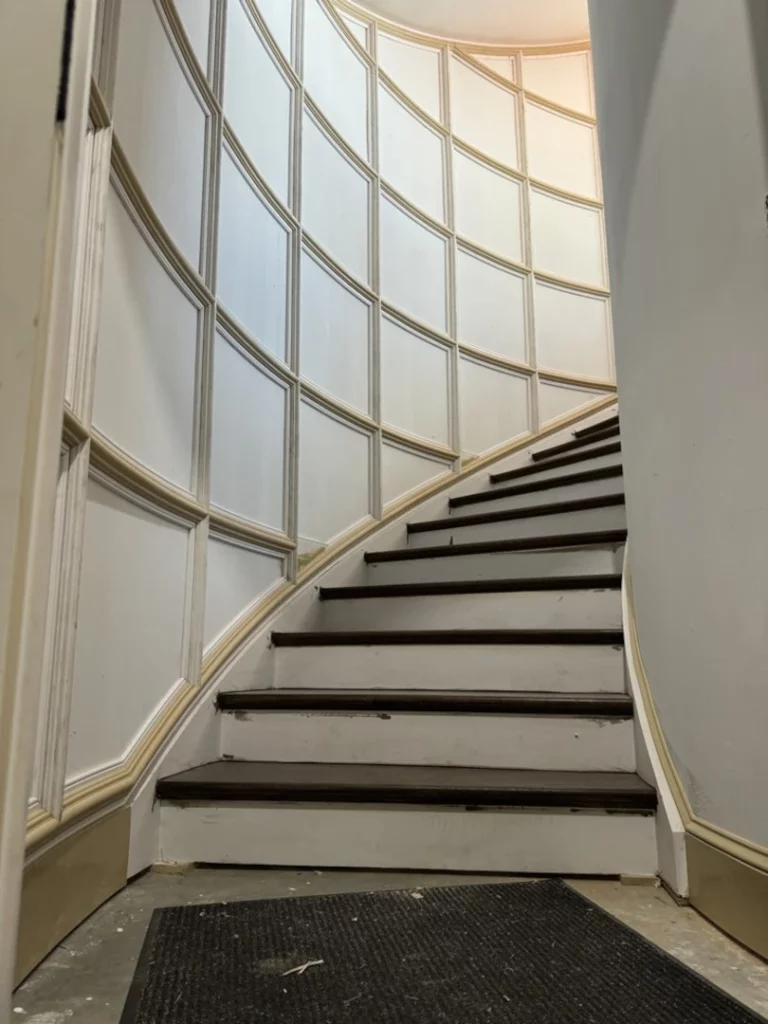
- Wainscoting and Paneling – Offers a sophisticated and traditional touch to any room. Wainscoting, in particular, adds depth and detail, making walls more visually appealing while adding durability.
- Window and Door Trim – Properly installed window and door trim adds a finishing touch to your home's openings, framing them beautifully while also helping with insulation and sealing gaps.
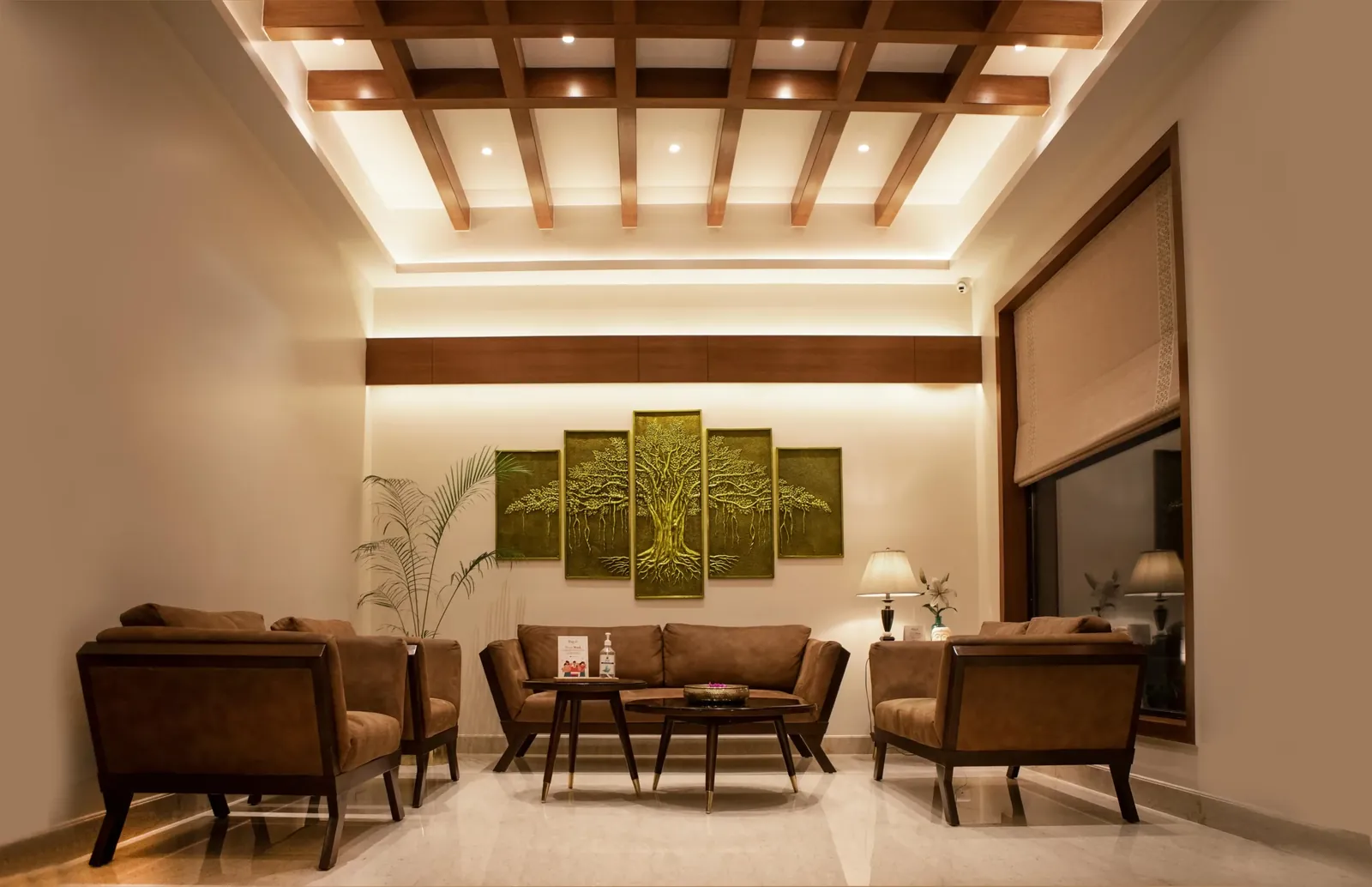
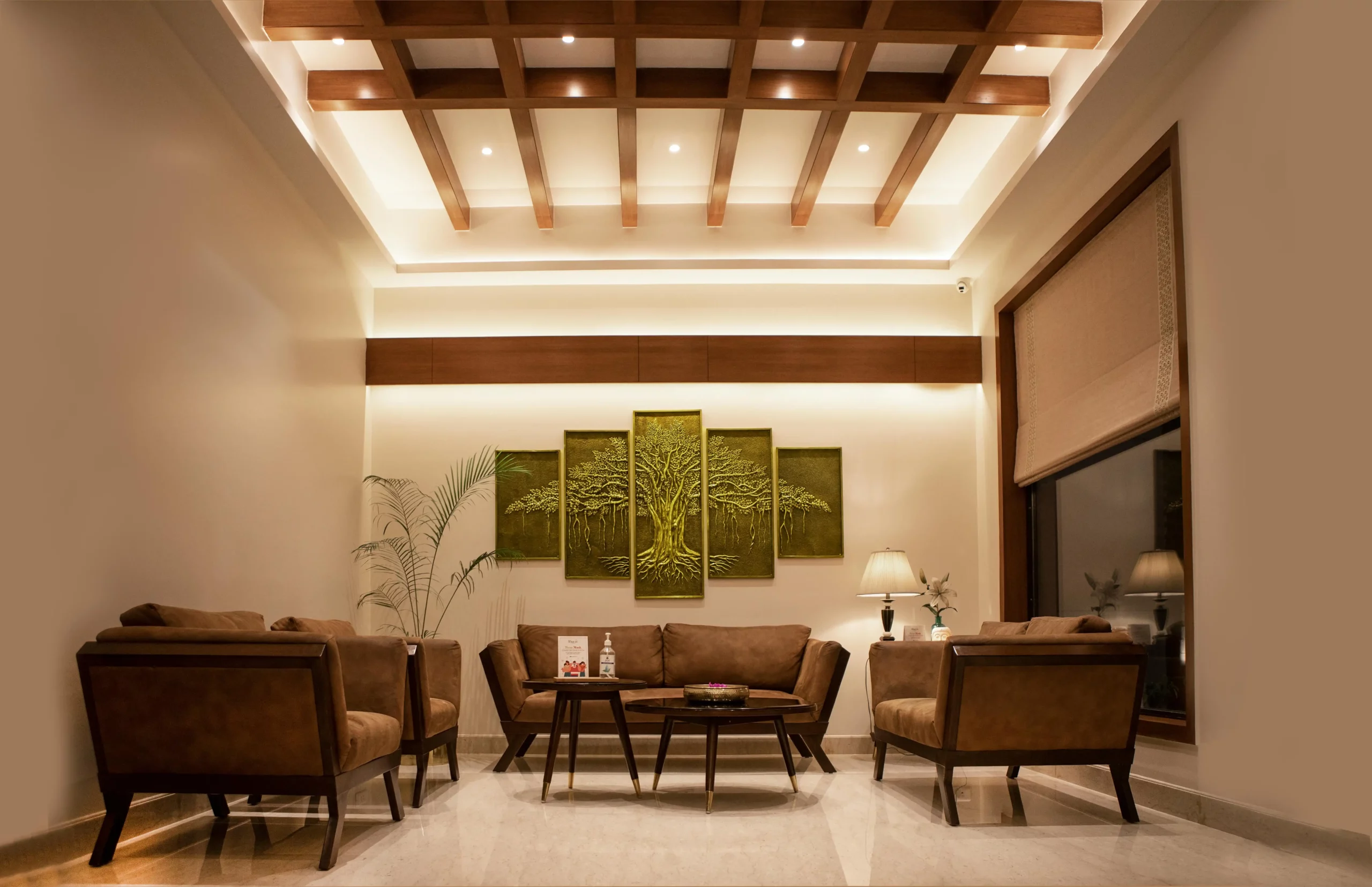
- Ceiling Beams and Coffered Ceilings – These advanced trim carpentry elements add depth and a grand look to any space, often found in high-end or luxury homes.
Why Hire a Trim Carpenter?
Hiring a professional trim carpenter ensures precise installation and flawless results. While DIY enthusiasts may attempt trim work, professional craftsmanship guarantees sharp corners, smooth seams, and perfectly aligned details that elevate a home's overall appearance in 2026 and beyond.
At ProBrothers, we offer expert carpentry services to transform your home's interior. Our skilled craftsmen work with homeowners to create stunning trim features tailored to individual tastes and styles. With a deep understanding of design aesthetics and construction techniques, we ensure that every detail meets the highest standards of quality.
The Impact of Trim Carpentry on Home Value
Well-executed trim work adds value to a home by enhancing its aesthetic appeal and structural integrity. Home buyers in 2026 often appreciate detailed trim work as it reflects the level of care and craftsmanship put into the home. For those considering whole house renovations or a home remodeler for resale value, incorporating decorative trim and moldings can make a property stand out in the market. Trim and millwork materials sourced from Forest Stewardship Council (FSC)-certified suppliers meet internationally recognized standards for responsible sourcing and material quality, an increasingly important consideration for buyers evaluating a home's environmental credentials.
Custom Trim Work for Every Room
Trim work can enhance various areas of a home, from living rooms and kitchens to bedrooms and mudrooms. Adding mudroom cabinetry with decorative trim, for example, combines style and functionality for organized storage solutions.
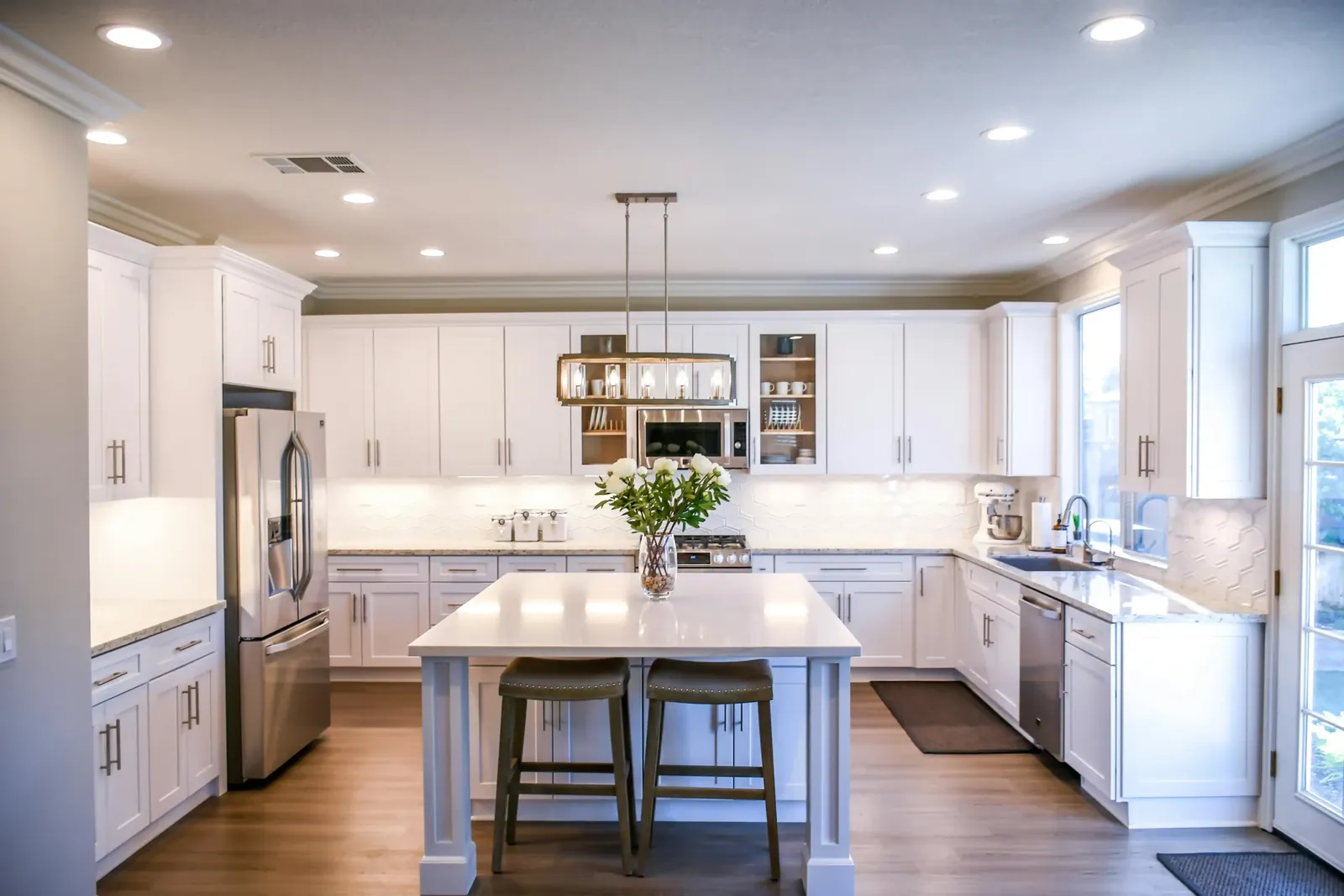
- Kitchens: Custom kitchen cabinetry with detailed trim work adds elegance and character. Premium kitchen cabinets featuring crown molding or intricate designs enhance the overall aesthetic appeal of the space.
- Living Rooms: Wall paneling installation, crown molding, and decorative ceiling beams can transform a plain living space into a luxurious setting.
- Bedrooms: Baseboards, casings, and even custom headboard wall paneling can add a refined touch to bedroom decor.
- Mudrooms: Mudroom storage cabinets with trim details improve both organization and visual appeal, making daily routines more efficient.
- Offices: Office cabinets with elegant trim provide a polished, professional look while improving storage solutions.
Trends in Modern Trim Carpentry
While traditional designs remain popular, modern trends in 2026 have introduced fresh perspectives on trim carpentry:
- Minimalist Trim: Slimmer, more understated trims create a clean, contemporary aesthetic.
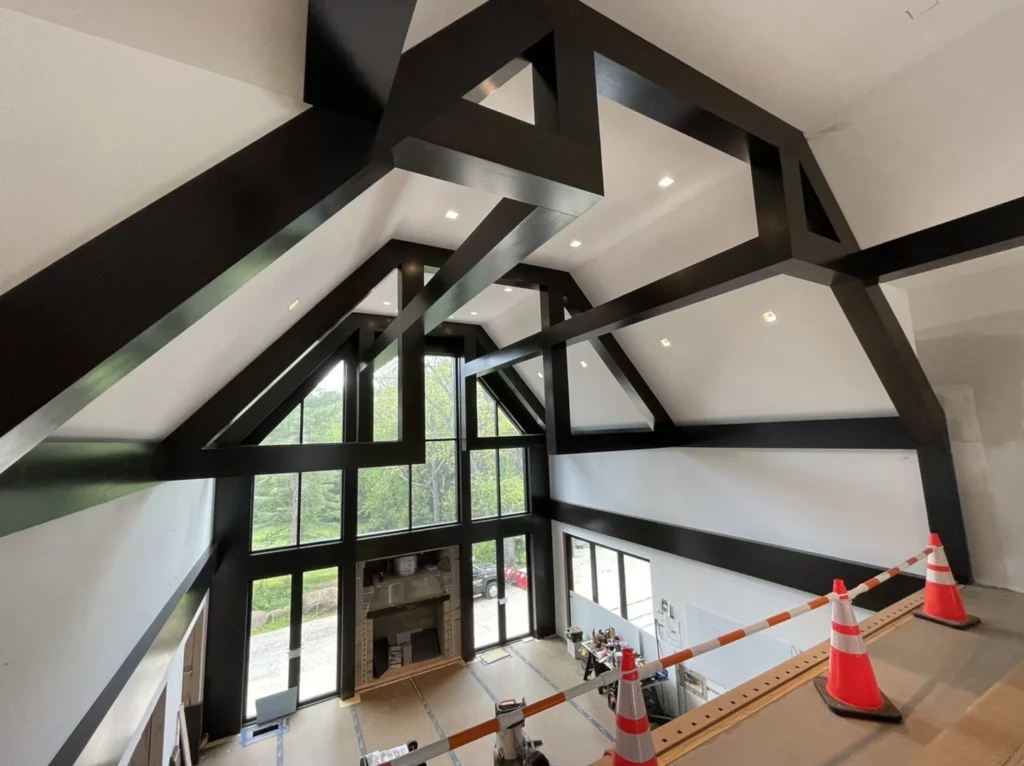
- Contrasting Colors: Dark trim against light-colored walls (or vice versa) adds striking visual contrast.
- Custom Designs: Homeowners are increasingly opting for unique patterns and styles that reflect personal tastes.
- Reclaimed Wood Trim: Sustainable and rustic, reclaimed wood trim adds character and warmth to a space.
Choosing the Right Trim for Your Home
Selecting the perfect trim depends on various factors, including home style, budget, and personal preference. Classic homes benefit from intricate crown moldings and wainscoting, while modern spaces often feature sleek and simple trims.
When choosing materials, consider options like wood, MDF, or PVC, each offering distinct advantages in terms of cost, durability, and appearance. Wood provides a rich, traditional feel, while MDF is budget-friendly and smooth. PVC is excellent for high-moisture areas such as bathrooms or kitchens.
ProBrothers: Your Trusted Trim Carpentry Experts
For homeowners searching for home remodeling contractors near me, residential construction services, or carpentry services, ProBrothers is here to deliver exceptional craftsmanship. Whether you need a custom home addition, custom kitchen cabinetry, or window and door installation, our team brings years of expertise to every project.
By choosing ProBrothers, you gain access to:
- Expert consultation to determine the best trim solutions for your home.
- High-quality materials and precision craftsmanship.
- Reliable and timely installation with minimal disruption to your home.
Frequently Asked Questions About Trim Carpentry and Interior Finishes
What is trim carpentry, and why is it important for home design?
Trim carpentry (often called finish carpentry) refers to the installation of decorative and functional wood elements that frame a room, such as baseboards, crown molding, and window casings. It is essential because it hides gaps between building materials, adds architectural depth, and provides the "finished" look that distinguishes high-end custom homes from standard builds in areas like Media and West Chester, PA.
Does custom trim work increase a home's resale value?
Yes, professional trim carpentry is one of the most cost-effective ways to increase a home's value. Detailed woodwork—such as wainscoting, coffered ceilings, and ornate crown molding – signals quality craftsmanship to potential buyers. In competitive real estate markets like Delaware County and the Philadelphia Main Line, these finishing touches can significantly boost a home's appraisal and marketability.
What are the most popular trim styles for 2026?
In 2026, we see a trend toward Modern Minimalist trim (clean lines, flat-stock baseboards) and Modern Farmhouse details (shiplap and board and batten). However, classic Shaker-style door casings and traditional raised-panel wainscoting remain timeless choices for historic Pennsylvania homes. ProBrothers specializes in matching trim styles to the unique architecture of your local residence.
How does crown molding change the feel of a room?
Crown molding serves as a bridge between the wall and the ceiling, drawing the eye upward and creating the illusion of height. It adds a sense of elegance and "completeness" to formal spaces like dining rooms and foyers. For homes with lower ceilings, a simple, low-profile crown molding can add sophistication without making the space feel cramped.
Can trim carpentry protect my walls from damage?
Beyond aesthetics, trim serves a vital protective function. Baseboards shield the bottom of your walls from vacuum cleaners and foot traffic, while chair rails prevent furniture from scuffing the paint or drywall. Installing durable, high-quality trim work is a smart way to reduce long-term maintenance costs in high-traffic areas like mudrooms and hallways.
Why should I hire a professional trim carpenter instead of a DIY approach?
Trim carpentry requires extreme precision; even a 1/16th-inch gap in a mitered corner can ruin the look of a room. A professional trim carpenter near you has the specialized tools (like compound miter saws and pneumatic nailers) and the expertise to handle uneven walls and complex angles. For a flawless, seamless finish in Philadelphia or Delaware, professional installation is highly recommended.
Transform Your Home with Expert Trim Carpentry
From simple baseboards to elaborate decorative wall trim, the right trim work elevates your home's aesthetic appeal and functionality. Whether you are undergoing a whole house renovation, seeking luxury home renovations, or simply adding a touch of elegance to a single room, ProBrothers is your go-to expert in Media, PA.
If you're looking for house renovators near me, construction contractors near me, or home renovation services, our team at ProBrothers is ready to bring your vision to life.
Contact us today at [email protected] or (484) 745-4097 to discuss your trim carpentry needs and take your home's design to the next level!