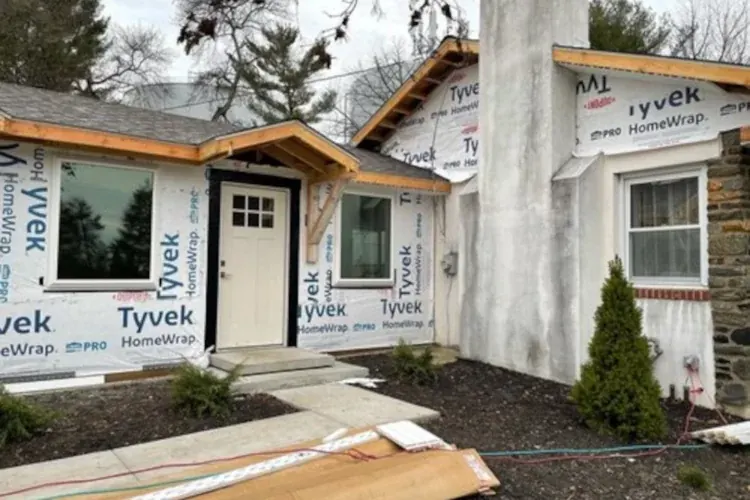

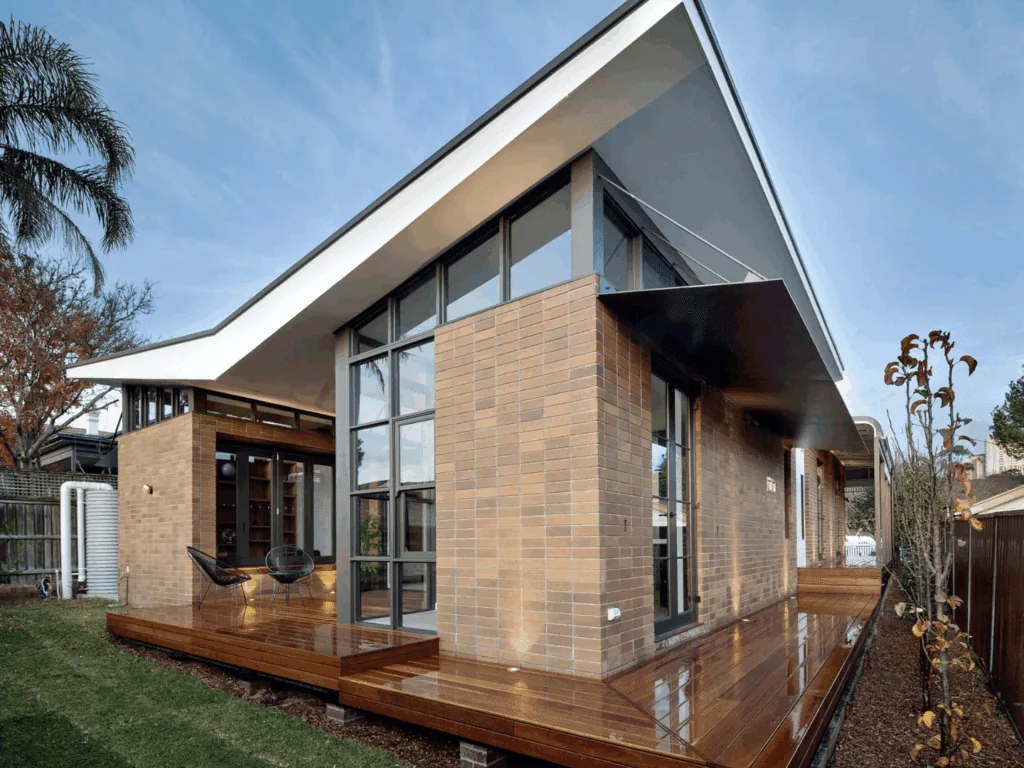
The top general contractors in Pennsylvania are HICPA-registered, carry verified liability insurance, manage projects from permit to final walkthrough, and have documented local references. In Delaware County and the Main Line, ProBrothers (Media, PA) delivers full-service kitchen, bath, addition, cabinetry, and remodeling work backed by 15+ years of local experience and 135+ completed projects.
In This Guide
- First: Define Your Project Scope
- What Does a General Contractor Do?
- Types of General Contractors in PA
- PA Licensing & HICPA Registration
- How to Find & Vet a GC in PA
- 15 Questions to Ask Before Hiring
- Red Flags & Scams to Avoid
- Contracts, Change Orders & Lien Waivers
- Permits & Inspections in PA
- Insurance & Bonding Explained
- Cost Expectations by Project Type
- Timeline Expectations
- Top General Contractors in PA (2026)
- ProBrothers Project Case Studies
- From the Workshop: What Daniil Notices
- Why ProBrothers for Delaware County & Main Line
- Frequently Asked Questions
Hiring a general contractor is one of the largest financial decisions a Pennsylvania homeowner makes. Get it right and you gain a trusted partner who transforms your house, respects your budget, and handles every moving part so you don't have to. Get it wrong and you face cost overruns, contractor abandonment, permit violations, and projects that drag on for months past the promised completion date.
This guide is the most complete resource we know of for PA homeowners evaluating general contractors in 2026. We cover every stage of the process — from understanding what a GC actually does (and how they differ from subcontractors and construction managers), to the specific PA laws that protect you, to the exact questions to ask before signing anything. We've also included a candid look at the top residential contractors serving different regions of the state, with a close focus on Delaware County and the Main Line where ProBrothers operates.
First: Define Your Project Scope Before Hiring Anyone
The most common mistake Delaware County homeowners make when starting a renovation is contacting contractors before they have a clear picture of what they want to build. Here's what that costs you: you receive bids that aren't comparable, contractors estimate your project differently (one includes permits, one doesn't), and you end up comparing apples to oranges across three proposals.
Before you call anyone, write down the answers to these six questions:
- Which rooms or spaces are involved? Be specific — "kitchen" is not enough. Is it the layout too, or just finishes? Is there an adjacent dining room that's part of the open-plan vision?
- What is changing structurally? Any wall removals, additions, new openings, foundation work? Structural changes trigger different permit requirements and need engineering involvement.
- What is your budget range — realistic, not aspirational? Kitchen remodels in Delaware County start at $20,000 for cosmetic work and reach $120,000+ for full custom builds. Knowing your actual number saves everyone time.
- What is your target completion date? Does it have to be done before the holidays? Before a family event? Before you put the house on the market? Hard deadlines affect contractor scheduling and bid viability.
- Are you staying in the home during the project? An occupied renovation requires different sequencing than a vacant one — it affects staging, dust containment, utility shutoff windows, and daily disruption.
- Do you have any existing plans or permits? If you have architectural drawings, engineering reports, or prior permits for the space, share them with every contractor who bids — they change the scope assessment significantly.
A contractor who receives a well-defined scope produces a more accurate bid. That bid becomes a more reliable contract. That contract becomes a more predictable project. Scope clarity at the start is the single highest-leverage move a homeowner can make before construction begins.
What Does a General Contractor Do?
A general contractor (GC) is the professional responsible for the total execution of a construction or renovation project. They are your single point of accountability — they manage the construction site, hire and coordinate subcontractors, source materials, pull permits, schedule inspections, and keep the project moving from first demolition to final walkthrough.
Think of the GC as the project's general. They don't necessarily wield the hammer themselves on every task (though many do for specialty work). Instead, they orchestrate the specialists: the electrician, the plumber, the tile setter, the framer, the drywall crew. Each of those specialists is a subcontractor — a trade-specific business hired by the GC and answerable to the GC, not to you directly.
General Contractor vs. Subcontractor vs. Construction Manager
| Role | Who They Work For | What They Do | When Involved |
|---|---|---|---|
| General Contractor | You (the homeowner) | Manages entire project: subs, permits, schedule, budget, site safety | After design is complete through project closeout |
| Subcontractor | The General Contractor | Performs a specific trade: electrical, plumbing, HVAC, framing, tile, etc. | Their specific scope window within the overall schedule |
| Construction Manager (CM) | You (owner's representative) | Advises on constructability, budget, schedule — often involved from design phase | Early design phase through project closeout; may not self-perform work |
| Design-Build Contractor | You (single contract) | Provides both design + construction under one roof | Entire project lifecycle from concept through completion |
For most residential renovation and addition projects in Pennsylvania, you want a general contractor — one entity responsible for the whole job. A construction manager is more common on large commercial or institutional projects where the owner wants to manage contracts directly. A design-build contractor works well if you're starting from scratch without an existing design.
Types of General Contractors in Pennsylvania
Not all GCs are the same. Understanding the different types helps you match the right contractor to your project:
Residential Remodeling Contractors
Specialists in kitchens, bathrooms, basements, additions, and whole-home renovations for occupied homes. This is the most common type of GC for Delaware County and Main Line homeowners. They understand the logistics of working around families — sequencing work to minimize disruption, coordinating daily with homeowners, and protecting finished spaces while adjacent areas are under construction.
Custom Home Builders
GCs who specialize in building new homes from the ground up — typically on vacant lots. Their skills overlap with remodelers but their project timelines (12–24 months) and site logistics differ significantly. If you are building a new home in Chester or Delaware County, look specifically for contractors with new-construction references, not just remodel portfolios.
Design-Build Firms
Design-build contractors integrate the design and construction process under one contract. Your architect (or interior designer) and builder are on the same team, which eliminates finger-pointing between the design team and the construction team when problems arise. The trade-off is that you have less independent design oversight — the firm designing is also the firm building, so errors or cost-cutting in the design phase may not be flagged by an independent eye.
Commercial General Contractors
Focused on office buildings, retail spaces, restaurants, healthcare facilities, and industrial projects. Commercial work involves different licensing, bonding, and insurance requirements than residential work in Pennsylvania. If you are a homeowner, verify that any contractor you hire has residential-specific experience and HICPA registration — a commercial GC is not automatically qualified or registered for residential home improvement work.
Specialty Contractors (GC with a Trade Focus)
Some contractors specialize in a specific scope — kitchen remodeling companies, addition specialists, cabinet and trim specialists — while also offering general contracting capabilities. These are often excellent choices for projects that fall squarely in their specialty, as their subcontractor relationships and material sourcing for that specific work type are typically more efficient and cost-effective.
Pennsylvania GC Licensing & HICPA Registration
Pennsylvania takes an important approach to consumer protection in construction: rather than requiring general contractors to pass a licensing exam, the state requires registration under HICPA — the Home Improvement Consumer Protection Act (73 Pa. Stat. § 517.1) — and puts the enforcement burden on the Attorney General's Office, not a licensing board.
Who Must Register Under HICPA?
Any contractor who performs $5,000 or more per year in residential home improvement work must register with the Pennsylvania Office of Attorney General. This includes general contractors, remodeling companies, and most specialty contractors working on homes. The registration:
- Requires proof of at least $50,000 in general liability insurance (personal injury and property damage)
- Requires workers' compensation coverage for any employees
- Requires disclosure of any prior fraud convictions, bankruptcies, or civil judgments
- Costs $100 (updated March 2, 2026; prior fee was $50) and renews every two years
- Does NOT require passing an exam or proving work experience
What HICPA Registration Is — and Isn't
HICPA registration is not a license — it means the contractor filed paperwork and paid a fee, not that the state has vetted their skill level. The Attorney General's office explicitly states that registration is "not an endorsement, recommendation or approval." Your due diligence (verifying insurance, checking references, reviewing portfolio) remains essential.
What Must Be in Every Pennsylvania Home Improvement Contract?
Under HICPA, a written contract is mandatory for any project over $500. The contract must include:
- Contractor's full legal name, physical business address, and HIC registration number
- A detailed description of all work to be performed
- The total price and itemized payment schedule
- Estimated start and completion dates
- A complete list of materials, including brand/grade where applicable
- Both parties' signatures
You have the right to void the contract if any of these elements are missing. You also have the right to cancel most home improvement contracts within three business days of signing (the federal "cooling-off" rule). A contractor who resists putting these elements in writing is a contractor to avoid.
Philadelphia and Pittsburgh: Additional City Licensing
Philadelphia and Pittsburgh maintain their own city contractor licensing requirements on top of HICPA statewide registration. If your project is within city limits, confirm your contractor holds both the statewide HICPA registration and the applicable city license. Delaware County and Chester County municipalities (Media, King of Prussia, West Chester, Glen Mills, etc.) operate under the statewide HICPA framework with no additional city licensing layer.
How to Find and Vet a General Contractor in PA: Step-by-Step
Step 1: Define Your Project Scope Before Calling Anyone
Before reaching out to contractors, have a clear picture of what you want: which rooms, what specific work, what your budget range is (even if approximate), and your target timeline. A well-defined scope produces comparable bids and reduces the risk of scope creep — the single biggest driver of cost overruns.
Step 2: Build a Shortlist of Local Candidates
Source candidates from: personal referrals from neighbors or friends who've had similar work done in the same municipality, neighborhood Facebook groups and Nextdoor threads (real experiences, local context), Google and Yelp reviews (look for volume and recency — 10 reviews from 5 years ago is less meaningful than 30 reviews from the last 24 months), and local trade associations like the Delaware County chapter of the Home Builders Association.
Step 3: Verify HICPA Registration and Insurance First
Before investing time in a contractor, verify their HIC registration at the PA AG's database. Then request a current certificate of insurance — both general liability and workers' compensation. Call the insurer directly to confirm the policy is active. This step alone eliminates unregistered operators and protects you from liability for on-site injuries.
Step 4: Request 3 Itemized Written Bids
Never accept fewer than 3 bids for any project over $10,000. Each bid must be itemized — line items for labor, materials, subcontractor costs, permit fees, and contingencies. When you receive the bids, compare them line by line. A 20%+ gap between bids usually reveals that one contractor is excluding scope (permits, a specific trade), planning material substitutions, or — at worst — financially desperate enough to underbid with the intention of using change orders to recover margin later.
Step 5: Check References Rigorously
Ask for at least 3 references from completed projects similar in scope to yours — not from the contractor's all-time best projects, but from projects in your price range and complexity. Call each reference and ask: Did they finish on time? Were there surprise costs beyond the contract? How did they handle problems? Did subcontractors behave professionally in and around the home? Would you hire them again without hesitation?
Step 6: Review Their Portfolio for Detail Work
Look past the wide-angle hero shots of completed rooms. Zoom in on corners, transitions, cabinet alignment, grout lines, trim miters, and door hardware installation. These details reveal the actual quality level of the work more reliably than the overall room impression. Ask to visit a completed project in person if possible.
Step 7: Evaluate Communication Before You Sign
How a contractor communicates during the bidding process predicts how they will communicate during the project. Do they return calls promptly? Are their written communications clear? Do they ask good questions about your needs and preferences? A contractor who is vague, slow, or dismissive in the proposal phase will be worse once they have your deposit.
15 Questions to Ask a General Contractor Before Hiring
These questions serve two purposes: they surface the information you need to make a sound decision, and they reveal how the contractor handles direct, informed questions — which tells you a great deal about how they will behave once the project is underway.
- What is your PA HIC registration number, and may I verify it?
- Can I see your current certificate of general liability insurance and workers' comp? (Ask for the insurer's contact to confirm independently.)
- Who are the subcontractors you plan to use, and are they also insured?
- Have you completed projects of similar scope in this municipality? (Permit familiarity matters.)
- Will you pull all required permits, and are permit fees included in your bid?
- What is the project timeline, and what causes the schedule to change?
- What is the payment schedule — and will it be milestone-based rather than time-based?
- How do you handle change orders? (Answer should be: in writing, signed by both parties, before work on the change begins.)
- Will you provide conditional lien waivers at each payment milestone?
- Can you provide 3 references from projects completed in the last 18 months?
- What is your policy for daily site cleanup and protecting finished areas?
- Who is my single point of contact for daily communication?
- Do you carry commercial general liability coverage of at least $1M per occurrence?
- What happens if a subcontractor's work fails inspection?
- How do you handle disputes — is there a process outlined in the contract?
Any contractor who balks at these questions, deflects, or gives vague answers should be disqualified. The best contractors welcome informed clients — they know it leads to smoother projects and stronger referrals.
Red Flags and Contractor Scams to Avoid in Pennsylvania
Pennsylvania's HICPA and consumer protection laws provide real remedies — but only if you recognize warning signs before signing. These are the most common red flags found in PA contractor fraud cases:
- Demanding more than 30% upfront before any work begins. This is a likely HICPA violation and often a sign of a contractor who needs your deposit to fund a different job. Standard: 10–30% upon contract signing, remainder in milestone-based installments.
- No written contract or a one-page generic document without itemized scope, timeline, or HIC registration number. Under HICPA, a contract without the required elements is voidable — but only if you haven't already paid.
- Cannot provide a verifiable HIC registration number. Search the PA AG database yourself; don't accept a number without checking it.
- No physical business address — only a cell phone and a P.O. box. HICPA requires a physical address on all contracts and advertising.
- Significantly lower bid than competitors — more than 20% below the median of other bids almost always means missing scope, uninsured subcontractors, or planned material downgrades.
- High-pressure close tactics — "this price is only good today," "I have another job starting Monday," "you should decide now." Legitimate contractors don't need to pressure you.
- Asking you to pull permits yourself. Permits are the contractor's responsibility; if they ask you to pull them, they may not be registered to do so — a serious warning sign.
- Unable or unwilling to provide insurance certificates. Without verified insurance, you are personally liable for accidents, injuries, and property damage that occur during the project on your property.
- Asking for cash payment only. Checks and transfers create a paper trail. A contractor who insists on cash is often hiding income, unregistered, or planning to disappear.
- Door-to-door solicitation after a storm ("storm chasers"). These contractors often target homeowners after hail or wind events, typically lack local HICPA registration, and use inflated insurance estimates to extract overpayments.
If you encounter contractor fraud or abandonment in Pennsylvania, contact the Bureau of Consumer Protection at 1-888-520-6680 or 1-800-441-2555. You can also file a complaint online through the PA Attorney General's HIC contractor registry, which also lets you verify any contractor's current HIC registration status before signing a contract.
Understanding Contracts, Change Orders, and Lien Waivers in Pennsylvania
The Written Contract Is Your Primary Protection
Every element of your project that matters should be in the written contract before work begins: the exact scope, the materials to be used (brand and grade), the project timeline with specific milestones, the payment schedule tied to those milestones, and the process for handling changes. An oral agreement for a construction project is legally enforceable in Pennsylvania, but it is nearly impossible to prove the terms of what was said once a dispute arises.
Change Orders: How to Handle Mid-Project Changes
A change order is a written amendment to the original contract that documents a change in scope, price, or timeline. Every change — even small ones the contractor suggests verbally — should be formalized as a signed change order before the work on that change begins. Key change-order rules:
- Change orders must be in writing and signed by both parties
- The change order should specify the exact added (or removed) scope, the cost impact, and any schedule impact
- Never let a contractor "do it now and we'll settle up later" — this opens the door to inflated charges you cannot dispute
- A pattern of frequent, unexpected change orders is itself a red flag — it often signals that the original estimate intentionally excluded scope to win the bid
Lien Waivers: Protecting Your Home from Subcontractor Claims
Pennsylvania mechanics' lien law allows subcontractors and material suppliers who are not paid by the general contractor to file a lien against your property — even if you paid the GC in full. This is one of the most misunderstood risks in residential construction.
Protection: request a conditional lien waiver from your GC (and from any major subcontractor billed at over $5,000) at each payment milestone. A conditional waiver is effective only upon the payment clearing — so you're protected if the check bounces, but the sub can't later claim they were never paid once the check clears. Include a lien waiver requirement in your initial contract.
Note: Pennsylvania allows a direct contractor (the GC) to waive a subcontractor's lien rights prior to work commencing on residential projects three stories or less. Ask your contractor whether they use this mechanism and whether they have a payment bond in place to protect both you and their subs.
Payment Schedules: What's Normal
A typical residential construction payment schedule in Pennsylvania looks like this:
- 10–30% upon contract signing (allows contractor to order materials and mobilize)
- 25–30% at project start / demo completion
- 25–30% at rough-in completion (framing, electrical, plumbing rough-in, inspection passed)
- 10–15% at substantial completion
- 5–10% retained until final punch list is fully resolved (this "retention" gives you leverage to ensure deficiencies are fixed)
Never pay the final retention until every punch-list item is resolved and you have received all conditional lien waivers, permit inspection signoffs, and any warranty documentation.
Permits & Inspections for Home Renovation in Pennsylvania
The Uniform Construction Code (UCC)
Pennsylvania enforces the Uniform Construction Code (UCC), administered by the Pennsylvania Department of Labor and Industry. The UCC sets minimum standards for construction quality and safety — structural, electrical, plumbing, HVAC, fire/egress — and applies statewide. However, each municipality enforces the UCC locally, and individual townships may adopt amendments that are more stringent than the base UCC.
What Requires a Permit in Delaware County?
In Delaware County, each township (Media, Upper Providence, Middletown, Springfield, Marple, Radnor, etc.) has its own permit office and may have local UCC amendments. As a general rule, permits are required for:
- Any structural work: additions, second stories, load-bearing wall removal
- Electrical panel upgrades, new circuits, rewiring
- Plumbing work: new runs, drain/waste/vent changes, water service
- HVAC: new systems, ductwork modifications, gas line work
- Decks and exterior structures above a certain size
- Basement finishing (depending on scope)
- Window and door replacements that change opening size
Cosmetic work (painting, flooring, cabinet replacements, fixture swaps that don't touch rough-in) typically does not require a permit. When in doubt, ask your contractor — and verify with your township's building department independently.
Why Permits Matter for Homeowners
Unpermitted work creates three significant risks: (1) it can fail home inspection when you sell, requiring remediation at your expense; (2) your homeowner's insurance may deny claims related to unpermitted work; and (3) the municipality can order the work torn out and redone at your expense. A contractor who suggests skipping permits to "save time" is transferring all of this risk to you.
Permit Timeline in Delaware County
Permit wait times in Delaware County municipalities typically range from 2–6 weeks for standard residential renovations. Complex additions or projects requiring zoning variances (setbacks, lot coverage, height restrictions) can take 2–4 months. Factor this into your overall project timeline — your contractor should be scheduling permit applications well before the intended start date.
Insurance and Bonding Explained
What Insurance Should Your Contractor Carry?
A properly insured general contractor in Pennsylvania carries:
- General Liability Insurance: Covers property damage and personal injury caused by the contractor or their subs during the project. For residential remodeling, $1M per occurrence / $2M aggregate is the standard minimum. HICPA requires at least $50,000, but that minimum is far too low for most projects.
- Workers' Compensation Insurance: Covers medical costs and lost wages for workers injured on your property. Without it, an injured worker may sue you as the property owner. Required under HICPA for any contractor with employees.
- Commercial Auto Insurance: Covers vehicles used on the job. If a contractor's truck damages your property or causes an accident on the way to your site, their personal auto policy likely won't cover it.
What Is a Contractor's Bond?
A surety bond is a financial guarantee from a third-party bonding company that the contractor will fulfill the terms of their contract. If the contractor abandons the job or fails to perform, the bond provides a fund the homeowner can claim against. Bonding is not required by HICPA for residential contractors, but some GCs carry it voluntarily as a trust signal — it is more common in commercial contracting. If your contractor is bonded, ask to see the bond certificate and verify the coverage amount is proportionate to your project.
Your Own Insurance: What to Check
Before any contractor begins work on your home, notify your homeowner's insurance provider. Some policies have exclusions for construction in progress. You may want to temporarily increase your liability coverage during the project. Also confirm whether your policy covers materials stored on-site before they are installed — contractor's all-risk (CAR) policies typically cover this for larger projects.
Cost Expectations by Project Type (Delaware County & Main Line, 2026)
Cost ranges reflect fully permitted, professional-grade work with licensed subcontractors in Delaware County and Chester County, PA. National averages run 10–25% lower; PA suburban costs are elevated by permit fees, union labor in some trades, and premium material preferences in the Main Line market.
| Project Type | Scope | Cost Range (2026) |
|---|---|---|
| Kitchen remodel | Mid-range (new layout, semi-custom cabs, solid countertops) | $35,000 – $75,000 |
| Kitchen remodel | Luxury (custom cabinetry, premium appliances, full reconfigure) | $75,000 – $160,000+ |
| Bathroom remodel | Full renovation (tile, fixtures, vanity, shower/tub) | $15,000 – $50,000 |
| Master bath remodel | Spa-grade tile, walk-in shower, heated floor, double vanity | $35,000 – $80,000+ |
| Room addition | Single-story (family room, bedroom, sunroom) | $85,000 – $150,000 |
| Second-story addition | Full floor addition with 2–3 bedrooms | $150,000 – $300,000+ |
| Basement finishing | Home office, playroom, or in-law suite | $35,000 – $75,000 |
| Mudroom / built-in cabinetry | Custom storage, bench, hooks, cubbies | $8,000 – $28,000 |
| Interior trim package | Crown molding, chair rail, wainscoting, door casings | $5,000 – $20,000 |
| Custom home office built-ins | Floor-to-ceiling shelving, desk, cabinets | $8,000 – $25,000 |
| Full-home renovation | Kitchen + multiple baths + systems + finishes | $175,000 – $500,000+ |
Understanding General Contractor Fees
GC fees are typically structured in one of two ways:
- Cost-plus markup: The GC charges actual cost of labor, materials, and subcontractors, plus a percentage markup (typically 15–25%) for overhead and profit. You see the actual costs; the markup is the GC's compensation.
- Fixed-price (lump sum): The GC bids a single total price for the agreed scope. Cost risk stays with the GC — if material prices rise or a sub runs over, the GC absorbs it (unless a change order is executed). This is the most common model for residential remodeling.
Permit fees, design fees, and any structural engineering required are often additional to the base construction bid. Ask explicitly whether each of these is included. A bid that's 15% lower than competitors but excludes permit fees and engineering may not actually be cheaper.
Timeline Expectations for PA Renovation Projects
One of the most common sources of homeowner frustration is unclear or unrealistic timeline expectations. Pennsylvania has specific factors that extend timelines beyond national averages:
| Project Type | Permit Wait (DE County typical) | Construction Duration | Total Timeline |
|---|---|---|---|
| Bathroom remodel | 2–4 weeks | 3–6 weeks | 5–10 weeks |
| Kitchen remodel | 3–6 weeks | 6–12 weeks | 9–18 weeks |
| Room addition (single story) | 4–8 weeks | 12–20 weeks | 4–7 months |
| Second-story addition | 6–12 weeks | 16–26 weeks | 5–9 months |
| Basement finishing | 2–4 weeks | 6–10 weeks | 8–14 weeks |
| Full-home renovation | 6–12 weeks | 6–18 months | 7–20 months |
PA-specific delay factors: Winter weather (November–March) slows exterior work, concrete pours, and site prep. Permit approval timelines vary significantly by township — a straightforward permit in one municipality might take 3 weeks; an equivalent permit in an adjacent township might take 8. Material lead times for custom cabinetry, specialty windows, and imported tile can add 6–12 weeks. Your contract should explicitly address which events constitute legitimate schedule extensions and what notice the contractor must give you.
Top General Contractors in Pennsylvania (2026 Edition)
The following firms have earned consistent reputations across their respective PA markets, based on verifiable reviews, HICPA-compliant operations, and documented residential portfolios. This is an editorial list — not sponsored or paid placement.
1. ProBrothers — Media, PA (Delaware County & Main Line)
Specialties: Custom kitchen remodeling, bathroom renovation, home additions and second-story additions, custom cabinetry, mudroom installations, trim carpentry, window and door installation, full residential construction services.
Service Areas: Media, King of Prussia, West Chester, Glen Mills, Malvern, Newtown Square, Marple, Phoenixville, Springfield, Paoli, Devon, Newtown Township, and greater Delaware and Chester County communities.
Why They Stand Out: 15+ years of local trust. In-house team of master carpenters, cabinetmakers, and finish specialists — not a general manager with a rolodex of whoever is available. ProBrothers brings the same crew back to finish what they start. Customer-first communication model with defined project milestones and weekly client updates.
2. Harth Builders — Spring House, PA (Montgomery County)
Specialties: Design-build remodeling, kitchens, bathrooms, and home additions.
Known For: Collaborative design-build process with in-house design staff, known for high-end finishes and strong communication practices across Montgomery County.
3. Tilghman Builders — Churchville, PA (Bucks County)
Specialties: Home renovations, additions, and aging-in-place remodels.
Known For: Expertise in blending additions into historic Bucks County homes while preserving original architectural character and period-appropriate detailing.
4. Buckminster Green — Philadelphia, PA
Specialties: Sustainable remodels, kitchens, bathrooms.
Known For: Green building practices, LEED-aligned material selection, and modern design for environmentally-conscious Philadelphia-area homeowners.
5. Haller Enterprises — Lititz, PA (Lancaster County)
Specialties: Full-service construction, HVAC, plumbing, and electrical work.
Known For: One-stop-shop for construction and mechanical trades — particularly effective for Lancaster and York County projects requiring integrated mechanical and construction coordination.
6. Remodeling Concepts — Langhorne, PA (Bucks County)
Specialties: Exterior remodeling, siding, roofing, and decks.
Known For: Strong exterior renovation expertise for Bucks County homeowners focused on curb appeal and weatherproofing projects.
Three ProBrothers Projects in Delaware County — What Actually Happened
Most contractor websites show the finished product. Here's what actually went into three of our recent Delaware County projects — what we found when we opened the walls, how we sequenced the work, and what drove the final scope and cost.
BlackHorse House — Full Home Remodel, Media, PA
Scope: Complete interior gut and remodel of a neglected single-family home in Media. We removed two load-bearing walls to create an open kitchen-living floor plan, expanded the kitchen, added custom cabinetry, converted the unfinished basement to a finished bedroom suite with a full bathroom, and executed a full exterior transformation — side entry relocated to center-front, new windows, board-and-batten siding on both gables, concrete walkway, full re-roof, and backyard porch.
What we found: The basement had an unmanaged water intrusion issue that had been patched multiple times without addressing the source. We remediated before framing — the finished basement suite would have failed within 2–3 years otherwise. The two load-bearing wall removals required a structural engineer's stamped beam calculations and a mid-project inspection before ceiling close-in. Getting that sequence right — structural inspection before drywall — compressed the overall timeline by three weeks compared to a typical sequential approach.
Why it worked: Running interior and exterior crews in parallel, with Daniil on site coordinating both tracks, allowed us to complete what would normally be a 9-month project in significantly less time without sacrificing quality.
Blue Library — Custom Home Library Build, Delaware County
Scope: Design and build a floor-to-ceiling custom library in an existing living room, including built-in bookshelves running the full height and width of two walls, a rolling library ladder on a brass rail system, integrated display lighting, and a built-in reading window seat with storage below.
What drove the scope: The ceiling height was non-standard (10'4" — higher than stock ladder rail systems accommodate). We custom-fabricated the rail mounts to hit ceiling joists at the correct spacing. The bookshelf units were built to the exact room dimensions — a 1/16" gap at the corners would have been visible and unprofessional. The display lighting required low-voltage wiring that we coordinated with our electrical sub during the framing phase, before the built-in boxes were closed.
Outcome: A full-wall custom library with sliding ladder that functions as a signature room in the home — the kind of built-in that's tied to the house's architectural value, not just a piece of furniture.
Bathroom Restoration — Full Gut and Rebuild, Delaware County Area
Scope: Complete gut demolition of a dated 1970s full bathroom — removal of all tile, fixtures, and drywall down to studs — followed by a full rebuild with new tile work, custom vanity, upgraded plumbing fixtures, walk-in shower, and moisture-resistant drywall throughout.
What we found on demo day: Behind the original tile, there was extensive water damage to the subfloor and framing around the shower pan — typical of a mid-century bathroom with no proper shower liner. We replaced the damaged framing and installed a proper waterproof membrane before any new tile went in. Skipping this step (as the previous "repair" apparently did) would have recreated the same failure within 5 years.
Outcome: A fully waterproofed, modern bathroom built to current PA UCC standards. The homeowner noted that previous contractors had bid the job without demo-day inspections — they would have tiled over the damage without knowing it was there.
Five Things an Experienced GC Looks at That You Probably Don't
After 15 years of walking Delaware County and Main Line homes at the estimate stage, here's what I've learned to notice — and what I think every homeowner should ask about before signing anything.
- Scope clarity at the estimate stage. I can tell within the first 10 minutes of a consultation whether a homeowner has a defined scope or a vague idea. A defined scope produces a reliable bid. A vague scope produces a number that will grow — not because I'm padding it, but because the undefined elements get resolved later at change-order rates. If you haven't defined your scope before calling contractors, spend a day doing that first.
- The permit conversation. When I ask a homeowner "do you know if this work requires a permit in your township," the answer tells me a lot. If they say "the last contractor told us we don't need one," that's a red flag about the last contractor — not about the permit requirement. In Delaware County, structural work, electrical upgrades, plumbing changes, and basement finishes almost always require permits. A contractor who skips this conversation is skipping the permit, too.
- In-house vs. subcontracted work. Every contractor uses subs for some trades. But when a contractor tells you their "team" handles everything and then sends a stranger on day one, you've lost continuity and accountability. Ask specifically: who frames? Who does the finish carpentry? Who installs the cabinets? The answers reveal whether you're hiring a coordinated crew or a coordinator with a phone.
- Material surprises. I've inherited projects where a homeowner signed a contract for "custom cabinets" and received semi-custom boxes that were close-but-not-right for their kitchen run. The contract didn't specify brand, construction method, or box depth. Nail down materials before signing — brand, grade, and specifications in writing. If a contractor resists this level of detail, that's the answer.
- Pre-signing checks every homeowner should run. Before you sign any residential construction contract in PA: (1) Look up the contractor's HIC registration at the PA AG's website. (2) Call the insurer listed on their COI to confirm the policy is active. (3) Call two of their references — not the ones on their website, but the ones they provide when you ask for recent similar-scope projects. (4) Read the payment schedule: anything more than 30% upfront is a HICPA violation and a warning sign. (5) Confirm the permit responsibility is the contractor's, explicitly, in the contract.
— Daniil Akulov, Founder & Master Carpenter, ProBrothers
Why ProBrothers for Delaware County and the Main Line
Delaware County and Main Line homeowners have a geographic advantage: a locally rooted, full-service contractor who knows the permit offices, subcontractor landscape, and architectural character of this specific market. ProBrothers isn't a franchise with rotating crews. It's a local company where the same skilled team that starts your project finishes it.
- HICPA-Compliant, Fully Insured: ProBrothers carries full general liability and workers' compensation coverage and operates with complete written contracts on every project. HIC registration verified.
- In-House Craftsmen, Not Just Coordinators: The core ProBrothers team includes master carpenters, cabinetmakers, and finish specialists. Fewer handoffs mean tighter quality control and faster resolution when issues arise.
- Custom Cabinetry and Trim Mastery: From luxury kitchen cabinets and mudroom storage systems to crown molding and decorative wall trim, ProBrothers handles the fine details that define a finished space. See our trim carpentry services.
- Local Permit Expertise: Having operated in Delaware County for 15+ years, ProBrothers knows the permit requirements, inspection expectations, and zoning nuances of Media, Upper Providence, Middletown, Marple, Springfield, and the surrounding townships.
- Transparent Pricing and Milestone-Based Payments: Itemized estimates, defined change-order processes, and milestone-based payment schedules. No ambiguity about what you're paying for and when.
- Seamless Additions: Second-story additions, room additions, and sunroom builds that match existing architecture. See our full home additions services — materials, rooflines, trim profiles, and interior flow all considered from the first design conversation.
- Customer-First Communication: Weekly project updates as standard, not upon request. A dedicated point of contact throughout. ProBrothers treats each project as if it were their own home — because in a community this size, their reputation depends on it.
For more guidance on choosing the right contractor, read our complete guide to hiring remodeling contractors in 2026 or our Delaware County home remodeling guide.
Frequently Asked Questions
Do general contractors in Pennsylvania need to be licensed?
Pennsylvania does not issue a statewide general contractor license, but any contractor performing $5,000 or more per year in residential home improvement work must register under HICPA — the Home Improvement Consumer Protection Act — with the PA Attorney General's Office. Registration requires proof of $50,000 in liability insurance and workers' compensation coverage. Always ask for the contractor's HIC registration number and verify it at the PA Attorney General's official database before signing a contract.
What is HICPA and how does it protect Pennsylvania homeowners?
HICPA (Home Improvement Consumer Protection Act, 73 Pa. Stat. § 517.1) is a Pennsylvania law requiring home improvement contractors to register, carry insurance, and use written contracts that include their registration number, project scope, timeline, and payment schedule. Under HICPA, homeowners can void a contract if required information is missing, and have the right to pursue legal remedies for contractor fraud or abandonment. Contact the PA Attorney General's Bureau of Consumer Protection at 1-888-520-6680 for complaints.
What is the difference between a general contractor and a subcontractor?
A general contractor (GC) manages the entire construction project — hiring subcontractors, coordinating schedules, pulling permits, and serving as the single point of accountability. Subcontractors are trade specialists (plumbers, electricians, tile setters, framers) hired by the GC to perform specific scopes of work. As a homeowner, you contract with the GC; the GC contracts separately with each sub. This is why the GC's vetting process for their own subs matters — their subs' quality becomes your result.
What permits are required for home renovation in Pennsylvania?
Pennsylvania enforces the Uniform Construction Code (UCC), administered locally by each municipality. Permits are required for structural work, additions, new construction, electrical upgrades, plumbing alterations, HVAC changes, and most significant renovations. In Delaware County, each township (Media, Upper Providence, Middletown, Springfield, etc.) has its own permit office. Your GC should pull all required permits — if a contractor suggests skipping permits, that is both illegal and creates liability for you as the homeowner.
How much does a general contractor cost in Pennsylvania?
General contractor fees are typically built into the project price as a 10–20% markup on materials and subcontractor labor, or as a flat project management fee. For a mid-size kitchen remodel in Delaware County or the Main Line, expect total project costs of $35,000–$80,000 depending on scope and finishes. Home additions range from $80,000 to $250,000+. Always get 3 itemized bids. A bid more than 20% below competitors typically signals missing scope, uninsured subs, or planned material substitutions.
What is a lien waiver and do I need one in Pennsylvania?
A lien waiver is a document in which a contractor or subcontractor waives their right to file a mechanics' lien against your property. In Pennsylvania, subcontractors who are not paid by the GC can file a lien against your property even if you already paid the GC in full. Requesting conditional lien waivers (waiver effective only upon payment clearing) from your GC and their major subs at each payment milestone protects you from this risk. Include a lien waiver requirement in your written contract.
What are the biggest red flags when hiring a contractor in Pennsylvania?
Key red flags: demanding more than 30% upfront before work starts (likely a HICPA violation), no written contract, no verifiable HIC registration, no physical business address, pressure to sign immediately, vague or non-itemized estimates, and inability to provide proof of insurance. Under HICPA, contractors who misrepresent work, abandon a project after partial payment, or use fraudulent inducement face civil and criminal liability. Contact the PA Attorney General at 1-888-520-6680 if you encounter these signs.
What is a design-build contractor and is it right for my project?
A design-build contractor provides both design services and construction under a single contract, so your architect/designer and builder are one integrated team. This model reduces hand-off friction, speeds timelines, and keeps design decisions grounded in construction reality. It works best for projects where the client doesn't have a pre-existing design — whole-home renovations, significant additions, new construction. Traditional design-bid-build (hire architect separately, then contractor bids on drawings) gives more design control but takes longer.
Does ProBrothers serve areas outside Media, PA?
Yes. ProBrothers serves a wide area across Delaware County and the Main Line, including Media, King of Prussia, West Chester, Glen Mills, Malvern, Newtown Square, Marple, Phoenixville, Springfield, Paoli, Devon, Newtown Township, and surrounding Chester County communities. Contact us to confirm service availability for your specific zip code.
How do I verify a contractor's registration in Pennsylvania?
Visit the Pennsylvania Attorney General's Home Improvement Contractor registration database at www.attorneygeneral.gov and search by contractor name or registration number. Confirm the registration is active, not expired, and the contractor carries the required insurance. Also check for unresolved consumer complaints filed with the Bureau of Consumer Protection.
How long does a home renovation or addition take in Pennsylvania?
Timeline varies widely by scope. A bathroom remodel typically takes 3–6 weeks once work begins. A full kitchen remodel runs 6–12 weeks. A room addition or second-story addition takes 3–6 months including permit approvals. Permit wait times in Delaware County townships typically add 2–6 weeks before construction can begin. Weather delays are common in PA winters (November–March). Get the project schedule in writing as part of your contract, including what triggers a change to the timeline.
What questions should I ask a general contractor before hiring?
Essential questions: (1) What is your PA HIC registration number? (2) Can I see your certificate of liability insurance and workers' comp? (3) Who are your subcontractors and are they insured? (4) Will you pull all permits? (5) What is the payment schedule? (6) How do you handle change orders — in writing, before work starts? (7) Can you provide 3 references from similar projects? (8) What is the estimated timeline and how do you handle delays? (9) Do you carry a commercial general liability policy of at least $1M? (10) Will you provide conditional lien waivers at each payment milestone?
What is the difference between a general contractor and a remodeling contractor?
The terms are often used interchangeably, but there is a meaningful distinction. A general contractor (GC) manages a broad construction scope — new construction, additions, full structural remodels — and takes full responsibility for all trade coordination, permits, and project delivery. A remodeling contractor typically focuses on interior renovation work: kitchens, bathrooms, basements, and finishes within an existing footprint. Many companies function as both, but when your project involves structural changes (wall removal, additions, foundation work), you want a GC with verifiable structural experience, not just a remodeling company.
What should I check before signing a construction contract in Pennsylvania?
Before signing: (1) Confirm the contractor's HIC registration number at the PA Attorney General's database. (2) Verify insurance — call the insurer directly to confirm the policy is active. (3) Ensure the contract includes itemized scope, start/completion dates, payment schedule, materials spec, and HIC registration number (required under HICPA). (4) Confirm all permits are the contractor's responsibility and are included in the price. (5) Check that change orders require written signatures before any additional work begins. (6) Confirm there is a lien waiver provision. (7) Never sign on the same day — take 48 hours to review. (8) If any element is missing or you feel pressured, walk away.
From Our Work: What Separates a Good Contractor From a Great One
We were called in to finish a Chester County remodel after the original contractor walked off the job mid-permit, leaving the homeowner with an open township inspection and no paper trail of what had been approved. Untangling that took longer than the remaining construction itself. It's why, in every hiring conversation we have with prospective clients, we push documentation and permit transparency as hard as we push price — a contractor who won't show you the paperwork is the risk you can't see coming.
Ready to Hire a Top General Contractor in Pennsylvania?
You now have the framework to evaluate any general contractor in PA against objective criteria — licensing, insurance, references, contract terms, change order processes, and local permit expertise. ProBrothers meets every item on that checklist, and has done so for 135+ Delaware County and Main Line homeowners over 15 years.
Get your free, no-obligation custom quote. We'll walk you through project scope, permitting requirements, realistic timeline, and itemized costs — before you sign anything.